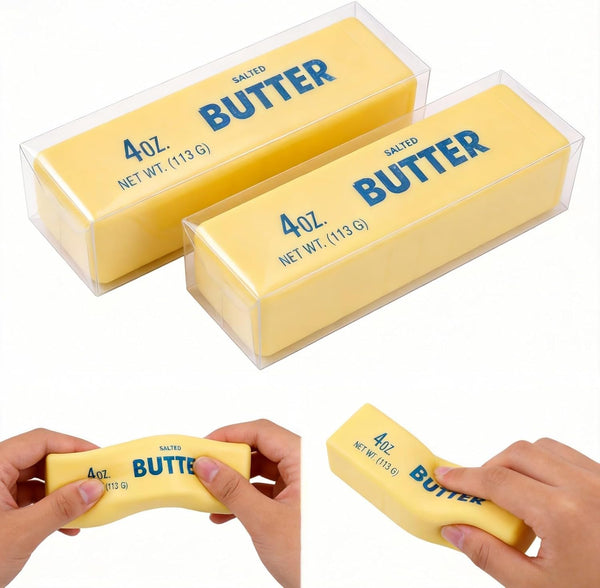
NeeDoh Butter
High-demand sensory toys often attract lookalike listings. This guide gives shoppers a practical way to compare packaging, manufacturer information, seller details, and product quality before buying.
Use only claims you can support with manufacturer information, packaging, or reliable product documentation.

| What to check | Authentic product | Lookalike or unofficial item |
|---|---|---|
| Manufacturer | Manufacturer name matches verified packaging | Different company or no clear company name |
| Packaging print | Clean print, consistent spelling, complete warnings | Blurry print, typos, missing safety details |
| Brand marks | Expected brand and manufacturer marks are present | Missing, altered, or misplaced marks |
| Texture and smell | Matches the known feel of that model and has no unusual odor | Unexpectedly oily, sticky, chemical-smelling, or poorly filled |
| Shape recovery | Returns toward its intended shape after use | Stays badly dented, leaks, or feels inconsistent |
| Seller | Traceable retailer or established marketplace seller | Unclear seller identity or unrelated storefront history |
Use this grid for your own educational examples. Upload only images you own or have permission to use.
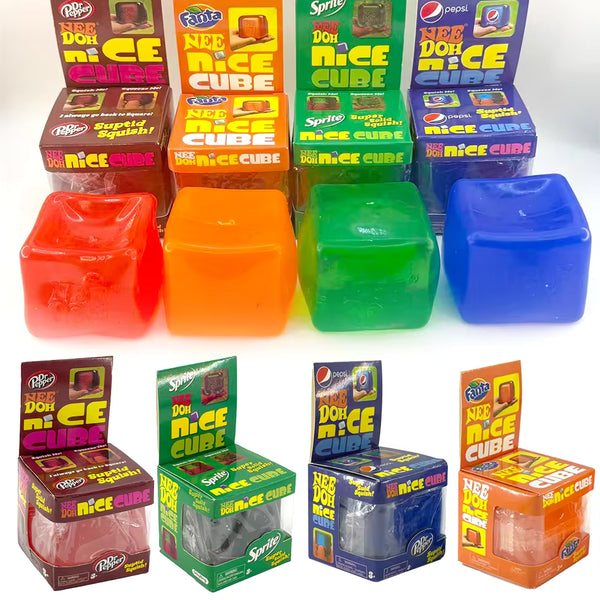
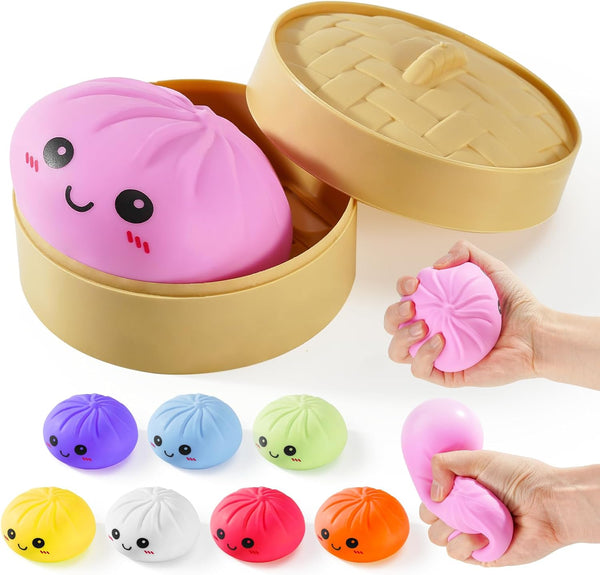
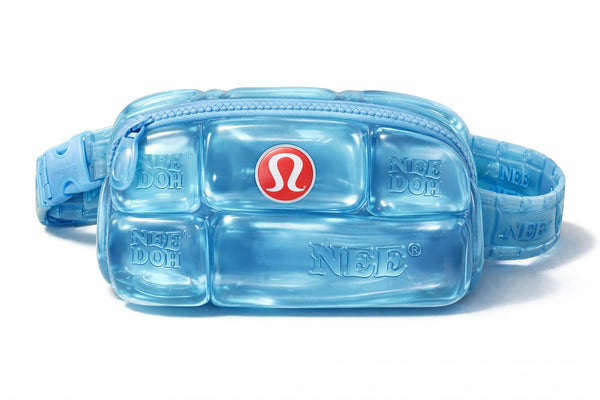

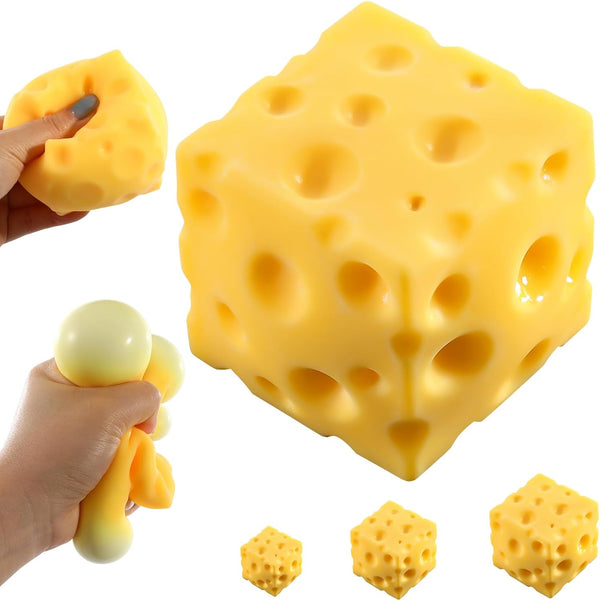
Start with the company named on the packaging. A product can imitate a familiar shape or color palette without being made by the original manufacturer. Verify the manufacturer before relying on the product title alone.
Compare the carton with verified product photos. Look for consistent artwork, clear printing, age guidance, safety information, and the expected manufacturer marks.

Branding by itself is not enough. Check the manufacturer name, packaging details, retail labels, and any molded or embossed marks together.
Different models can feel different, so compare the item with reliable information for that specific product. Unexpected leaking, strong chemical odors, severe dents, or obviously inconsistent filling are reasons to investigate further.
Search results can place unrelated or sponsored products next to authentic listings. Open the actual listing and verify the item, seller, and product photos before buying.
Read the seller name, shipping source, feedback history, and storefront details. A clear seller identity and consistent sales history make it easier to resolve a problem if the item is not as described.
If an item was sold as authentic but appears to be unofficial, keep the packaging and listing information. Follow the retailer or marketplace return process and report a misleading or counterfeit listing through the platform’s own reporting tools.
Similar colors, shapes, or packaging do not prove a product came from the original manufacturer. Use the manufacturer name, packaging, seller details, and product-specific information together.